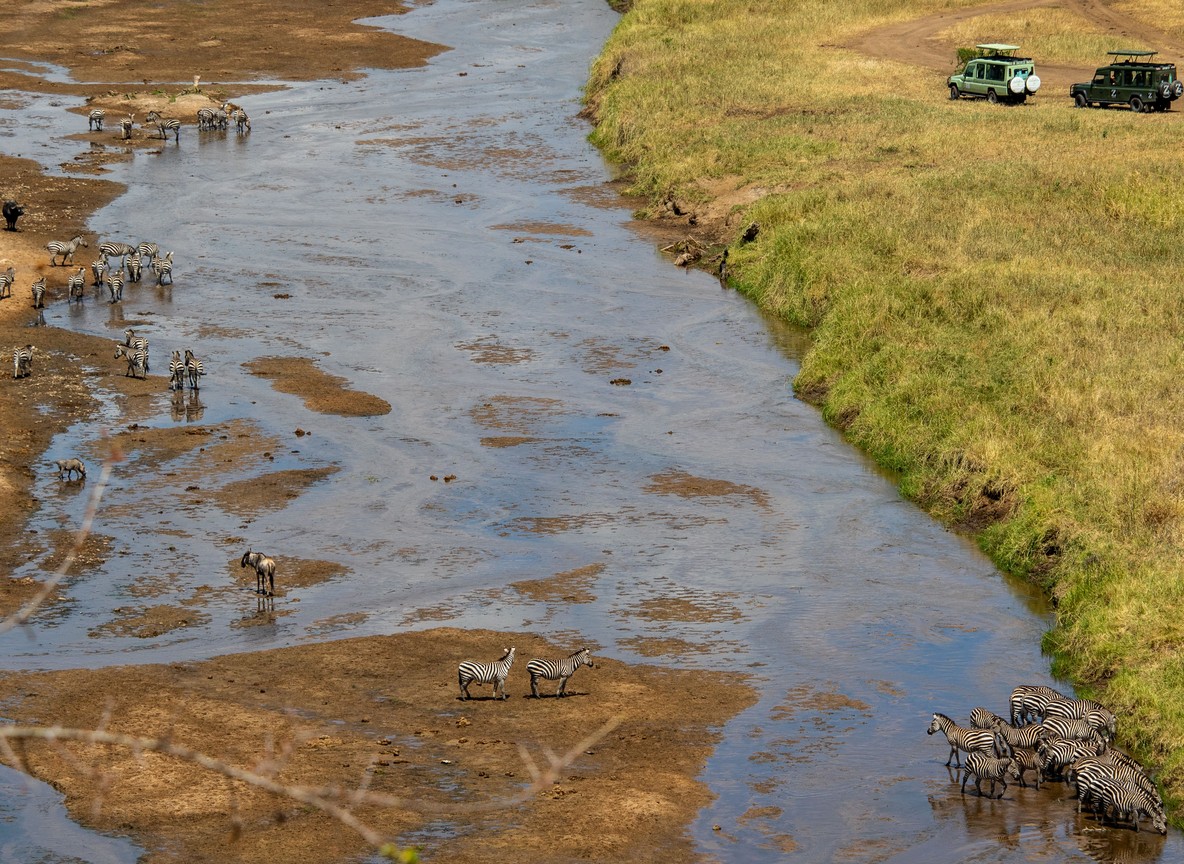
A family safari camp in the Masai Mara feels lively, flexible, and forgiving. An adults-only camp feels quieter, slower, and more deliberately focused. Both can be excellent, but they suit very different travelers from the moment you arrive.
The distinction goes deeper than age policies printed on a brochure. It shapes the guides, the meal schedules, the game-drive pacing, the accommodation layouts, and the overall atmosphere of your time in the bush. Getting this choice right makes a meaningful difference to how the trip feels.
Here is an honest breakdown of what each camp type actually offers, who each suits best, and how to decide.
What Makes a Camp Genuinely Family-Friendly
A family safari camp in the Masai Mara is one that has actively built its product around the family experience, not simply one that tolerates children. The defining features of a genuinely family-friendly camp include:
- Minimum age: No minimum, or minimum age of six or younger
- Accommodation: Family tents or interconnecting suites that comfortably fit two adults and one or two children
- Activities: Junior safari programmes, guided nature walks for children, Maasai cultural visits tailored for younger guests, activity kits
- Guides: Trained to engage children with wildlife identification and bush stories
- Meal times: Flexible dining schedules that accommodate early dinners and children’s menus
- Pace: Game drives structured to keep children engaged, with shorter drives or optional split options
The details matter more than the headline pitch. A camp might advertise as family-friendly while offering a single family tent configuration and no junior activities. Look for camps that have thought through what the eight-year-old does during the midday heat, and whether the guide has experience keeping younger guests genuinely interested during long stretches between sightings.
Well-regarded family safari camps in the Masai Mara area include:
- Mara Serena Safari Lodge – family rooms and junior ranger programmes
- Fig Tree Camp – family tents on the Talek River, flexible dining
- Keekorok Lodge – family accommodation and a swimming pool
- Basecamp Masai Mara – family packages with Maasai cultural activities
- Mara Sopa Lodge – spacious family rooms, swimming pool, accessible pricing
What Adults-Only Safari Lodges Actually Offer
Adults-only safari lodges in the Masai Mara typically impose a minimum age of 12 to 16 years. Some luxury properties set the minimum at 16. This is not arbitrary: it reflects the intimate, focused nature of the experience these camps are designed around.
Adults-only properties are built for:
- Couples on honeymoon, anniversary, or romantic getaway
- Solo travelers or small groups who want a quiet, focused safari
- Wildlife photographers who need early starts, long days, and total flexibility
- Experienced safari travelers who want unhurried meals, evening discussions with guides, and a pace not shaped by children’s routines
No children running between tents at dawn. No early dinners disrupting the sundowner ritual. Game drives planned entirely around maximising wildlife time rather than managing attention spans.
Well-regarded adults-only camps in the Masai Mara area include:
- Angama Mara – minimum age 10, effectively adults-only in atmosphere
- Mara Plains Camp (Olare Motorogi) – minimum age 16
- Mahali Mzuri – minimum age 6 but strongly adult-oriented atmosphere
- Cottar’s 1920s Safari Camp – minimum age 7 for main camp, adult atmosphere
- Sand River Masai Mara – minimum age 12, intimate and quiet
Key Differences Side by Side
| Factor | Family Safari Camp | Adults-Only Lodge |
|---|---|---|
| Minimum age | None to 6 years | 12 to 16 years typically |
| Accommodation | Family interconnecting rooms or large tents | Standard tented suites for two |
| Game drives | Adapted pace, shorter if needed | Full flexibility, long and early drives |
| Meal times | Flexible, children’s menus available | Set times, fine dining focus |
| Atmosphere | Lively, social, family energy | Quiet, intimate, focused |
| Activities | Junior ranger, cultural visits, nature walks | Photography drives, bush walks, evening talks |
| Swimming pool | Often yes | Sometimes |
| Price range | Budget to mid-range | Mid-range to ultra-luxury |
| Best for | Families with children under 12 | Couples, honeymooners, photographers |
Age Minimums: What to Check Before You Book
Age policies vary by property and are worth confirming directly before shortlisting any camp. Here is a general guide to what to expect:
- Under 5 years: Very few camps accept infants. Focus on camps with no minimum age and be prepared for early mornings to be challenging for very young children.
- 5 to 7 years: Family camps are the best fit. Look for shorter game drives, junior programmes, and guides experienced with young guests.
- 8 to 12 years: More options open up. Children at this age are often excellent on safari: engaged, curious, and able to handle longer drives.
- 12 and over: The full range of Masai Mara camps is accessible. Teenagers often get more from a traditional game drive than younger children.
- 16 and over: Full access to all camps including most adults-only properties.
Booking a camp that does not accept your child’s age is a costly and avoidable mistake. Confirm the policy, not just the minimum age listed on the website, but also any activity restrictions that apply to specific age ranges within the camp.
The Hybrid Option: Family-Oriented Premium Camps
Some Masai Mara camps sit between these two categories: they welcome families but maintain a quieter, more refined atmosphere than a dedicated family resort. These properties accept children from around age six to eight and offer a family experience without the full resort-style activity programme.
Properties like Elephant Pepper Camp, Rekero Camp, and Porini Mara Camp fall into this space: intimate, wildlife-focused, and genuinely excellent for families with children old enough to appreciate a bush environment without needing structured entertainment.
This hybrid tier is worth considering if your children are older and confident in nature settings. The wildlife experience at these camps often competes with or exceeds dedicated family camps, while the atmosphere is more measured.
Practical Notes on Game Drives with Children
The game-drive experience shifts significantly depending on the age of your youngest traveler. Some practical notes:
Under 6: Very young children often struggle with long stationary waits at sightings. The most memorable moment for a five-year-old is frequently the giraffe glimpsed from the vehicle window on the way to breakfast, not the lion pride on a three-hour kill watch. Plan accordingly and keep expectations calibrated.
6 to 10: This age range responds well to a guide who treats them as genuine participants: asking questions, pointing out tracks, explaining animal behaviour. A guide who ignores children in the vehicle is a significant problem. Ask camps about guide experience with young guests before you book.
Teenagers: Teenagers on safari are often the most engaged travellers of any age group. They can handle long drives, process complex ecological information, and often ask the best questions of the guides. At 12 and over, an adults-only camp with a 12-year minimum is worth serious consideration.
Who Should Choose What
Choose a family safari camp if:
- You are travelling with children under 12
- You want a camp with junior ranger programmes and child-appropriate activities
- You need flexible meal times and family accommodation configurations
- Keeping children genuinely engaged and enthusiastic is a priority
- Budget is a meaningful factor and you want accessible pricing
Choose an adults-only lodge if:
- You are a couple on a honeymoon, anniversary, or romantic safari
- You are a solo traveler or small adult group wanting total quiet
- You are a photographer who needs full-day game drives and dawn starts without compromise
- You want the most intimate, focused wildlife experience available
- You are prepared to invest in a premium safari product
Travelling with teenagers (12 to 16): Consider adults-only camps with a 12-year minimum. Teenagers on safari benefit enormously from the focused, adult atmosphere these camps offer, and the wildlife experiences available at more remote, adults-only conservancy camps are often superior to those at family-oriented lodge properties.
Explorer Notes: Getting the Most from Either Camp Type
Whichever camp type you choose, a few principles apply across the board.
Book camp-specific activities in advance. Junior ranger programmes at family camps often require pre-booking, especially during peak season. Do not assume these will be available on arrival.
Ask specifically about guide experience with your group profile. A guide who regularly works with families handles a child’s attention differently from one who rarely does. This is a legitimate question to ask before committing.
Visit the touringinsights.com Masai Mara camp comparison guides for deeper property breakdowns by location, price tier, and experience profile.
For adults-only camp shortlists, pay attention to whether the exclusivity is genuine (limited capacity, remote location, specialist guiding) or primarily a price-point signal. Some adults-only designations are atmosphere-based rather than policy-enforced.
Planning Your Next Step
The family vs adults-only choice is one of the first decisions to resolve in any Masai Mara itinerary, because it shapes which properties are worth evaluating at all. Get this right early and the rest of the planning process becomes significantly more efficient.
Start with your travel group profile, confirm the age policies of your shortlisted properties, and then dig into the specific activities, guide quality, and location before making a final call. The right camp for your group exists; the goal is matching your actual priorities to what each property genuinely delivers.
Have questions about this itinerary or destination? Get answers from a safari specialist before you commit.
Inquire More